腰果壳油聚氨酯产品解决方案

应对现代应用的严苛需求

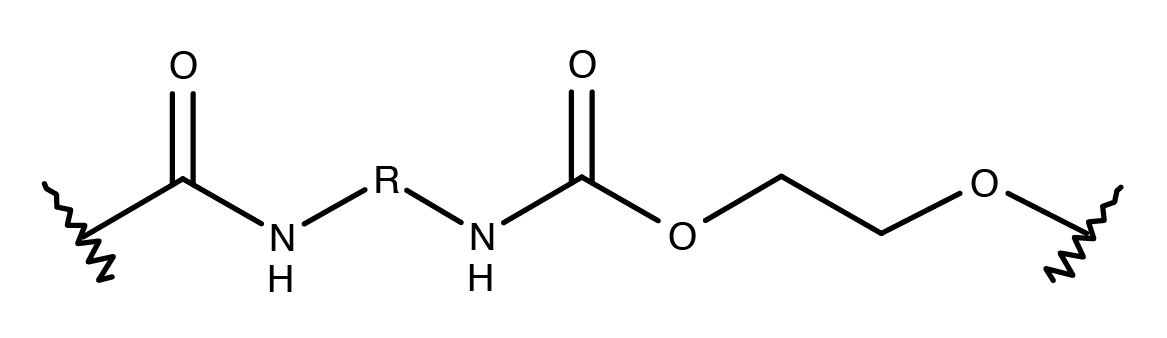
Polyurethane Chemistry Structure

Polyurethane Chemistry

Polyurethane bonds form by reacting diisocyanates with polyols, creating a segmented polymer network:

  • Soft segments (polyols/diols): Provide elasticity, resilience, and low-temperature flexibility
  • Hard segments (diisocyanate/chain extender): Contribute hardness and structural strength

Common building blocks:

  • Diisocyanates: TDI, MDI/PMDI, HDI, IPDI
  • Polyols/diols: Polyethers, polyesters, castor-derived, polycarbonates, polycaprolactones, amine-terminated, acrylic polyols

Customizable with additives:

  • Catalysts, surfactants, moisture scavengers, diluents
  • Flame retardants, pigments, fillers

Key benefits:

  • Mechanical strength and adhesion
  • Weatherability and abrasion/tear resistance
  • Versatile use in coatings, adhesives, foams, elastomers, and more

腰果壳油聚氨酯产品解决方案

应对现代应用的严苛需求
Protection

疏水性

Cardanol’s long aliphatic side chain provides inherent hydrophobicity, helping enhance polyurethane formulation water resistance and minimize moisture-related issues during cure.

Key benefits include:

  • Adhesion to damp substrates
  • Hydrolytic stability for long lasting protection
  • Good appearance of the final product in humid conditions


Learn More

Reactivity

Tailored reactivity

CNSL-based polyols and diols provide fast cure with minimal additional catalysts, enabling efficient crosslinking and strong network formation even at ambient conditions.

This helps to:

  • Simplify formulations, reducing overall system cost
  • Accelerate return-to-service for enhanced productivity


Learn More

Cashew Apple Web 2

Aromatic advantage

The aromatic backbone of CNSL polyols differentiates them from other natural oil-derived polyols like soy or castor oil. This feature provides enhanced durability and mechanical properties that are difficult to achieve using other bio-based polyols.

Including:

  • Higher strength
  • Better thermal stability
  • Improved chemical resistance


Learn More

腰果壳油聚氨酯产品解决方案

应对现代应用的严苛需求

疏水性

The inherent hydrophobicity of Cardanol’s long aliphatic side chain enhances the water resistance of polyurethane formulations and prevents moisture-related defects during the curing process.

Key benefits include:

  • Damp Substrate Adhesion: Ensures reliable bonding by displacing surface moisture
  • Hydrolytic Stability: Resists water-induced degradation for extended service life
  • Humid Environment Reliability: Prevents moisture-related defects, like carbon dioxide gassing, to maintain surface integrity

Tailored Reactivity

CNSL-based polyols and diols are inherently reactive, enabling rapid crosslinking with minimal catalyst requirements. This ensures a robust network formation even under ambient conditions, allowing for consistent performance in diverse environments.

This helps to:

  • Simplified Formulations: Reduces the need for additional catalysts, lowering overall system complexity and cost
  • Accelerated Return-to-Service: Faster curing cycles increase throughput and improve field productivity

Aromatic Advantage

The aromatic backbone of CNSL polyols provides a distinct structural advantage over traditional bio-based alternatives, such as soy or castor oil. While most natural oils are purely aliphatic, the phenolic ring structure of CNSL imparts high-performance characteristics.

Including:

  • Enhanced Mechanical Strength: The rigid aromatic rings provide greater structural integrity and load-bearing capacity
  • Better Thermal Stability: CNSL-based systems maintain performance at higher service temperatures compared to other bio-polyols
  • Broad-Spectrum Chemical Resistance: The phenolic nature offers a natural defense against harsh environments, acids, and alkalis


Learn more about CNSL and Cardanol technology

产品系列与应用

联系方式

如需更多信息,请联系您的销售代表,或通过我们的网站提交咨询。

了解更多信息

联系方式

如需更多信息,请联系您的销售代表,或通过我们的网站提交咨询。

了解更多信息

alt=""